
Links
Links
Links
Sharable Mobility
Sharable Mobility
Scroll down to explore more.
Problem Statement
Problem Statement


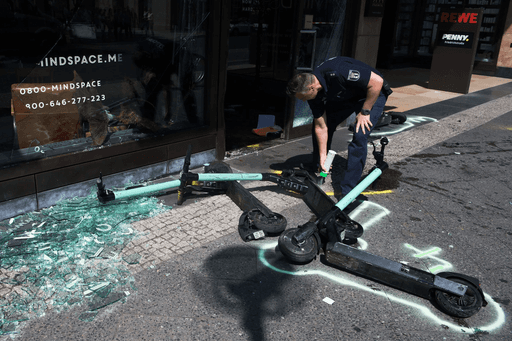
The market for shared mobility has significantly expanded over the past few years. However, there are a few significant concerns about safety issues, particularly accidents due to breaking the mobility safety protocol in riding.
According to the results of the "2023 Driver Traffic Safety Awareness Survey," the most common examples of noncompliance with safety standards included not wearing safety equipment such as helmets (84%, multiple responses allowed), riding with a passenger (67.4%), and not having a driver's license equivalent to a motorcycle license (29.6%).
Source: Insurance Journal (https://www.insjournal.co.kr)
According to the results of the "2023 Driver Traffic Safety Awareness Survey," the most common examples of noncompliance with safety standards included not wearing safety equipment such as helmets (84%, multiple responses allowed), riding with a passenger (67.4%), and not having a driver's license equivalent to a motorcycle license (29.6%).
Source: Insurance Journal (https://www.insjournal.co.kr)


Background Research
Background Research
Increasing scooter accident
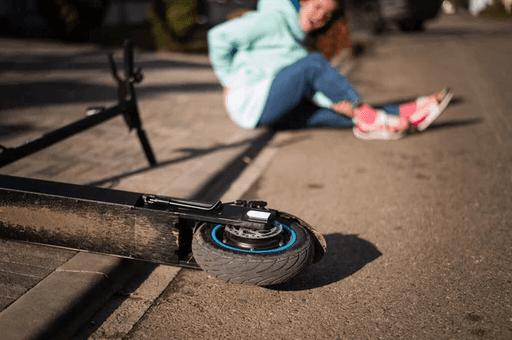
As e-mobility use rises, traffic accidents and injuries also increase. The U.S. Consumer Product Safety Commission (CPSC) reports electric scooter injuries will grow by about 22% from 2021 to 2022.
Increasing scooter accident
As e-mobility use rises, traffic accidents and injuries also increase. The U.S. Consumer Product Safety Commission (CPSC) reports electric scooter injuries will grow by about 22% from 2021 to 2022.
Lack of ways to enjoy together
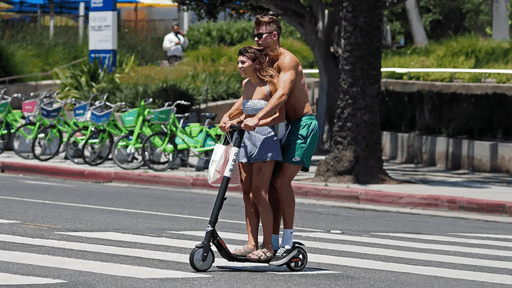
Most shared mobility services focus on individual travel, offering no safe way to journey together with friends or family besides renting individual scooters. Two-person rides are dangerous, and current services aren't designed for multi-person trips, children, or luggage. This limits their ability to meet users' needs for group travel.
Lack of ways to enjoy together
Most shared mobility services focus on individual travel, offering no safe way to journey together with friends or family besides renting individual scooters. Two-person rides are dangerous, and current services aren't designed for multi-person trips, children, or luggage. This limits their ability to meet users' needs for group travel.
2 people in 1 scooter
Shared electric scooters are mainly made for one rider. When two people ride, the scooter's balance becomes unstable, making it hard to control. Still, many who ride together have faced serious accidents.
2 people in 1 scooter
Shared electric scooters are mainly made for one rider. When two people ride, the scooter's balance becomes unstable, making it hard to control. Still, many who ride together have faced serious accidents.
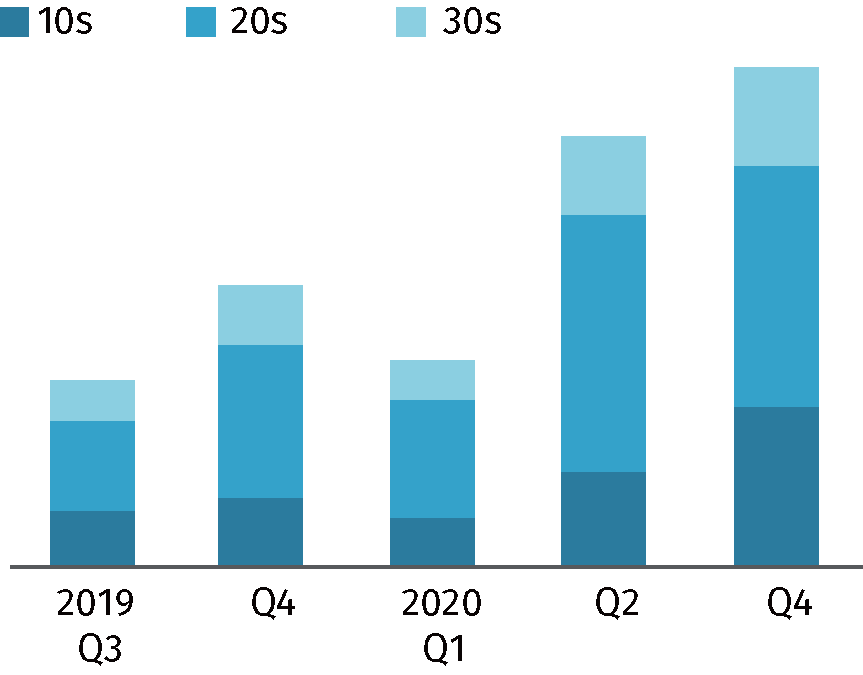
Increase in shared mobility by age group
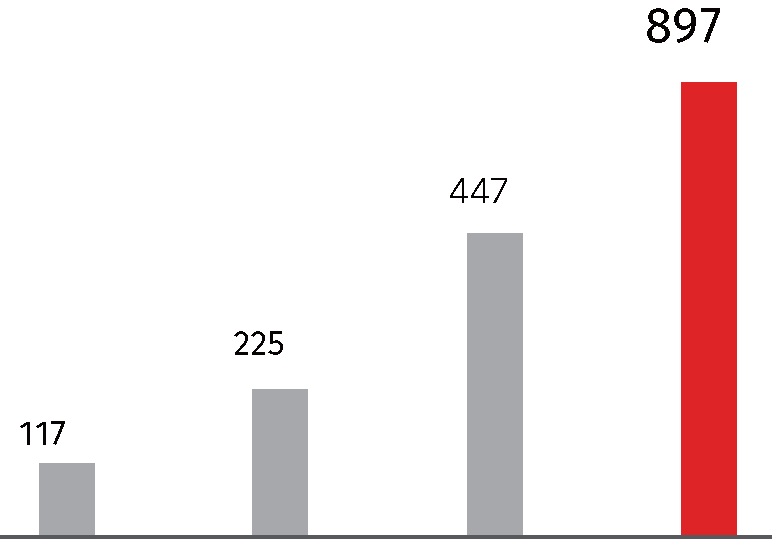
Number of shared mobility incidents due to negligence

Design Concept
Design Concept
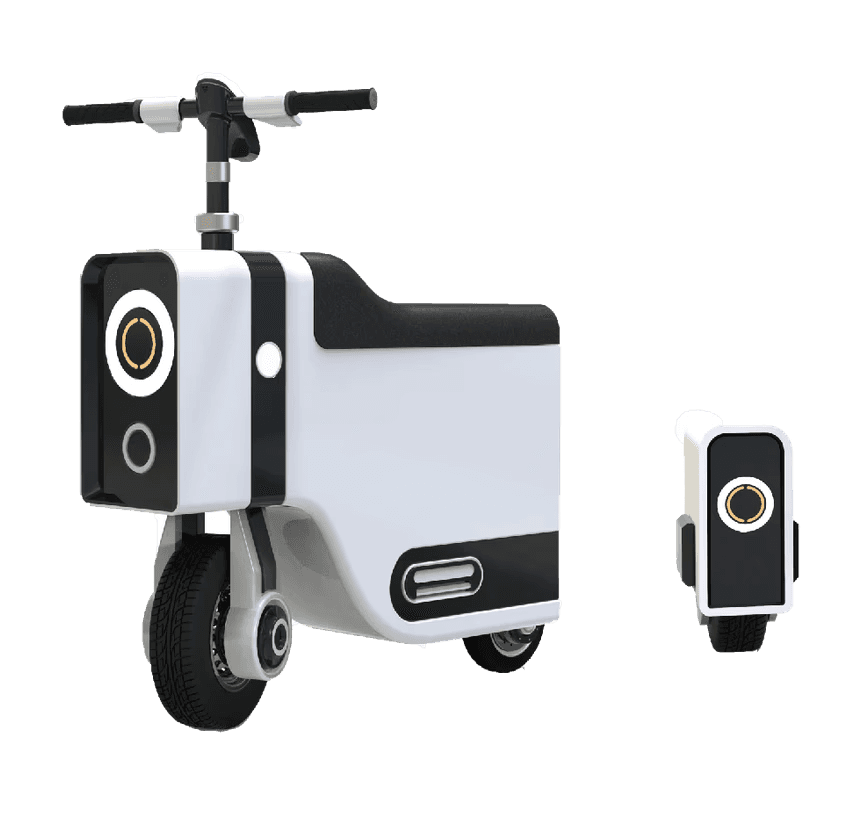
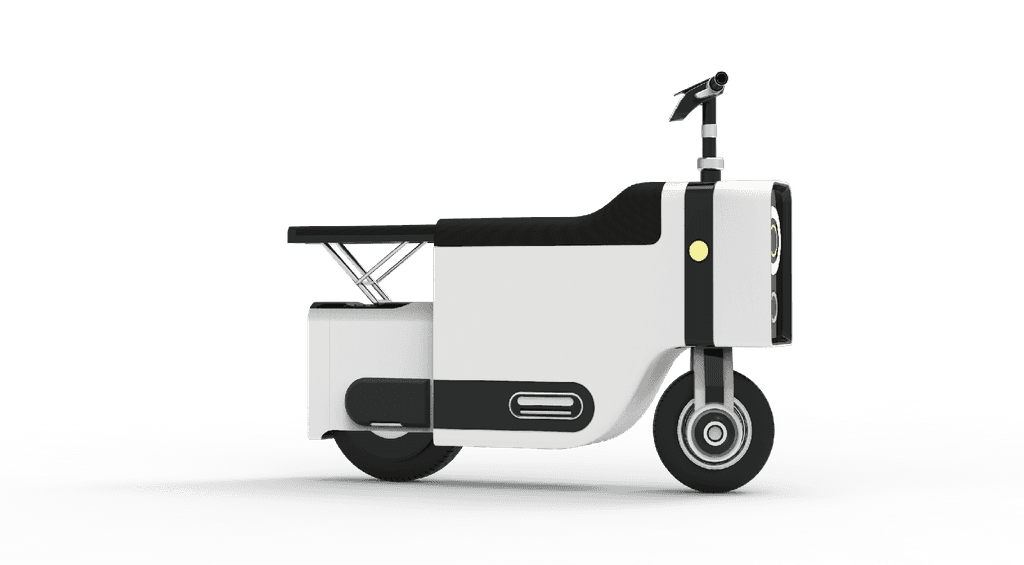
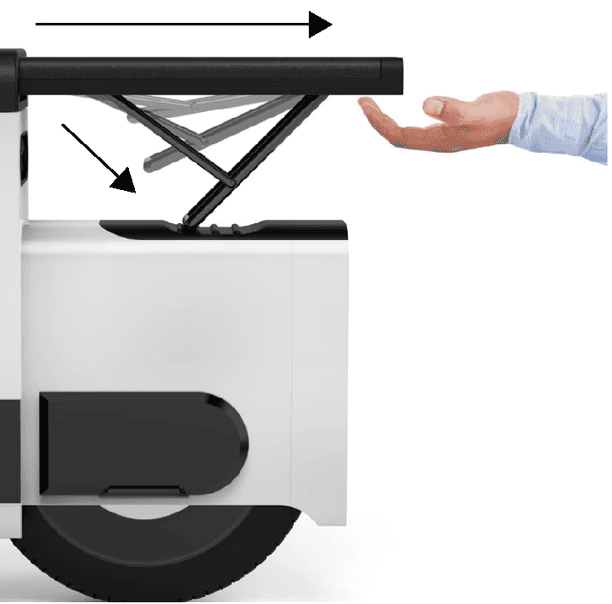
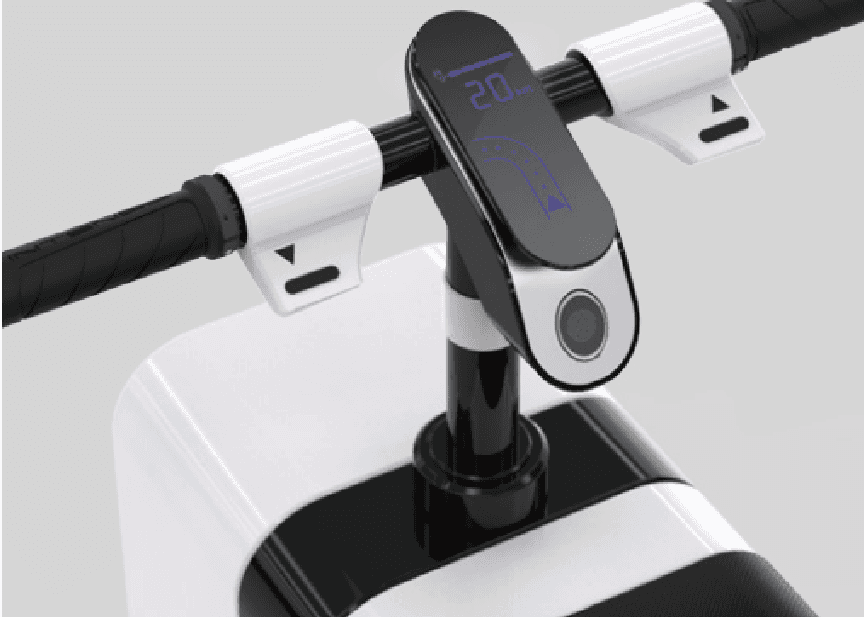
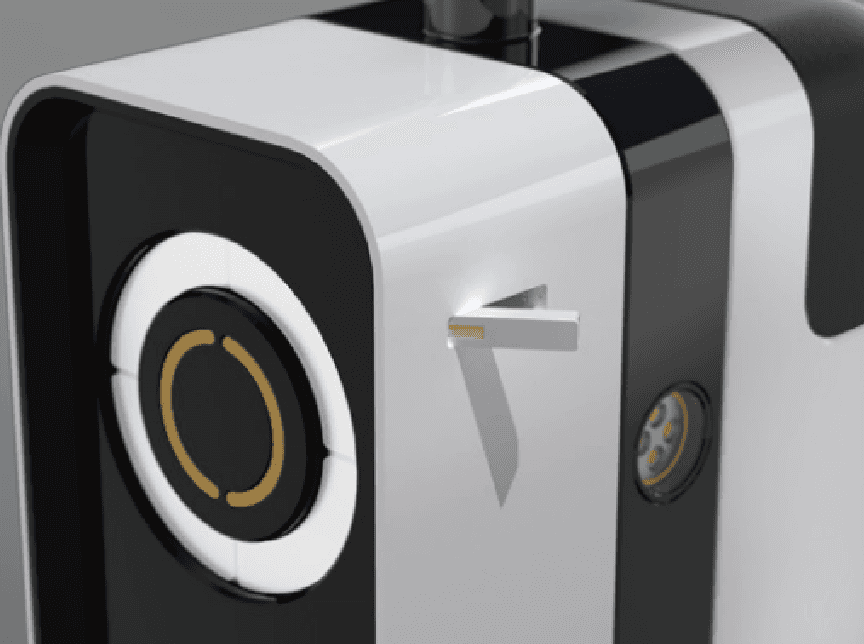
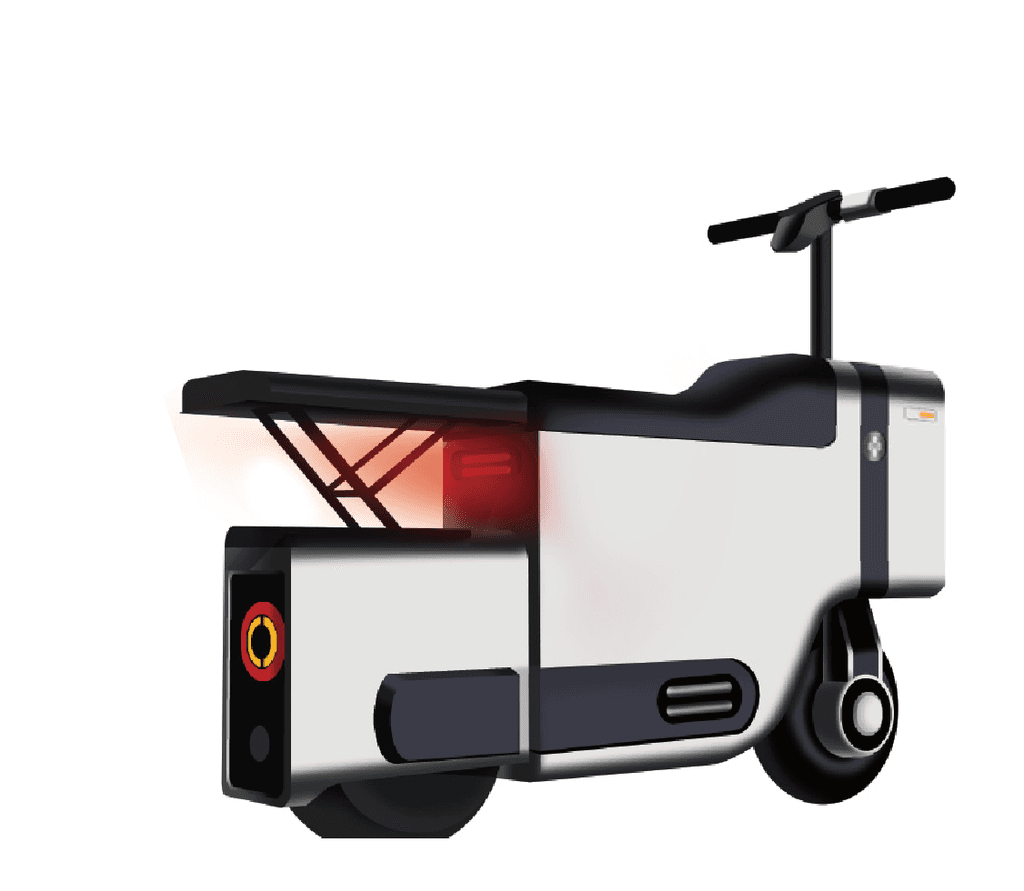
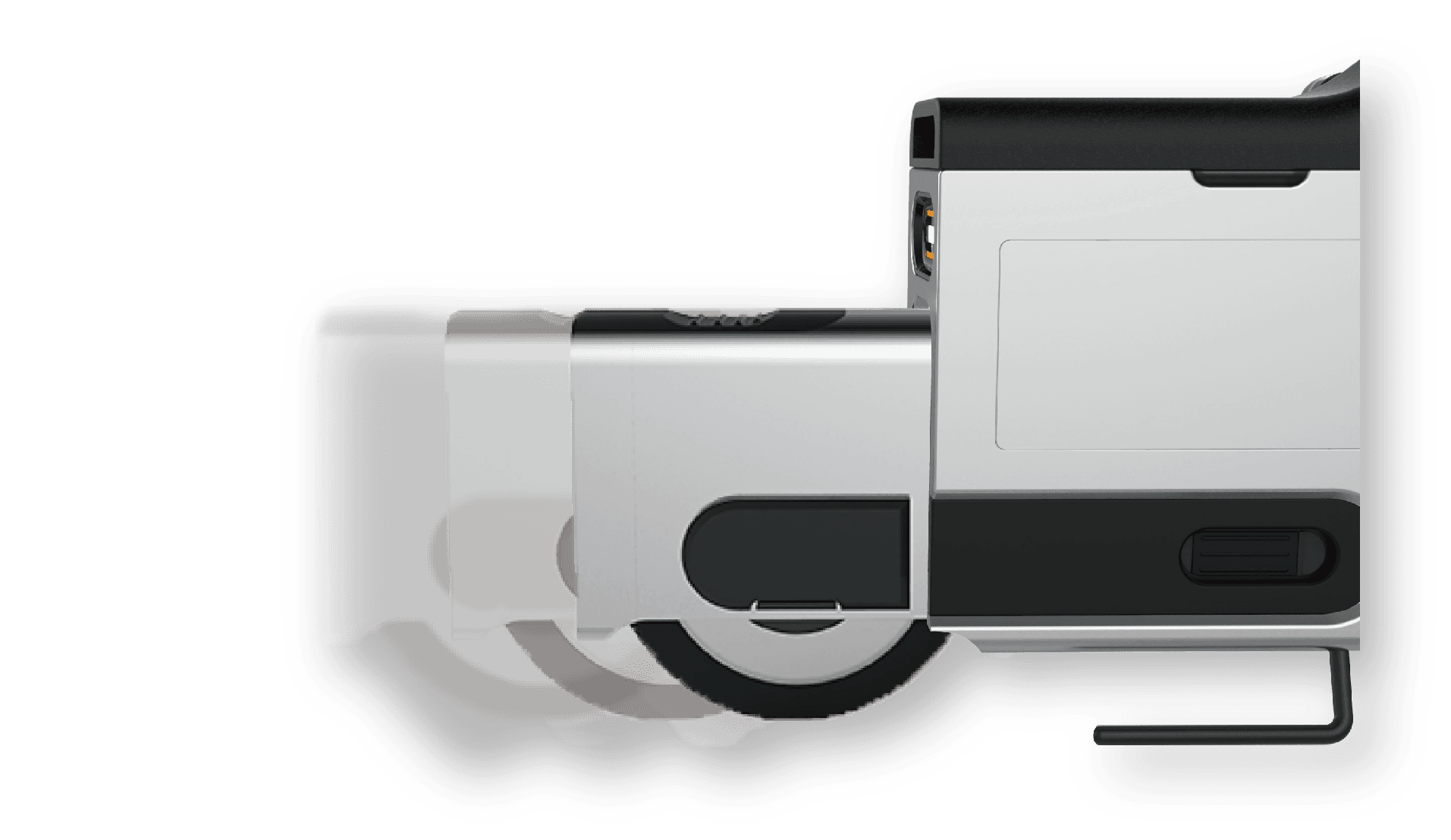
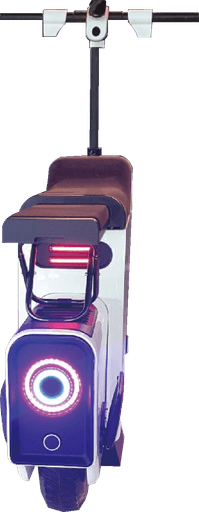
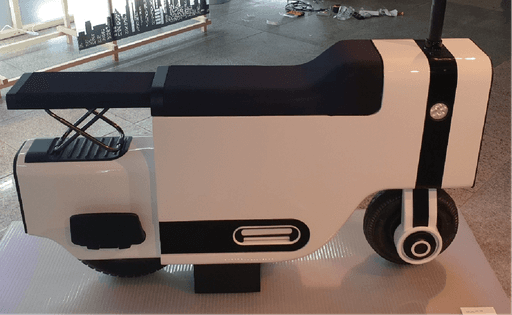
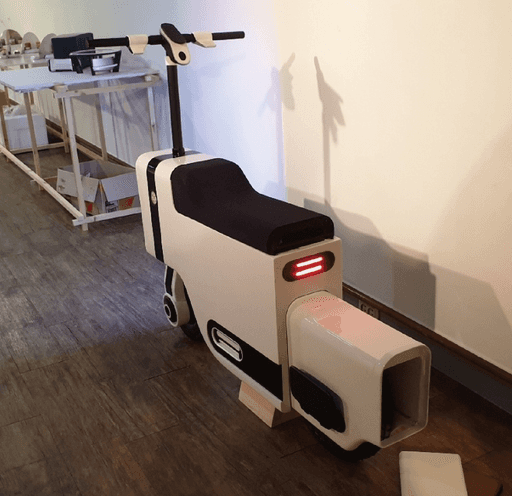
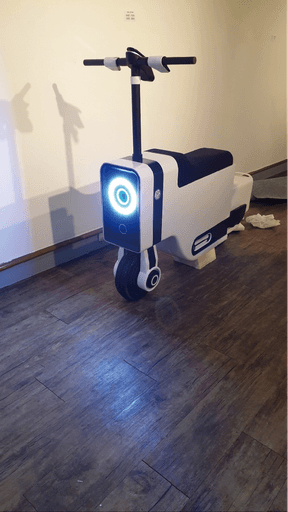
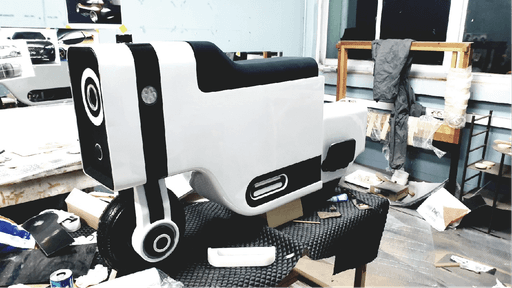
LINKS is a 2-in-1 shared mobility solution that combines an electric scooter (Main Body) and a one-wheel segway (Sub Body).
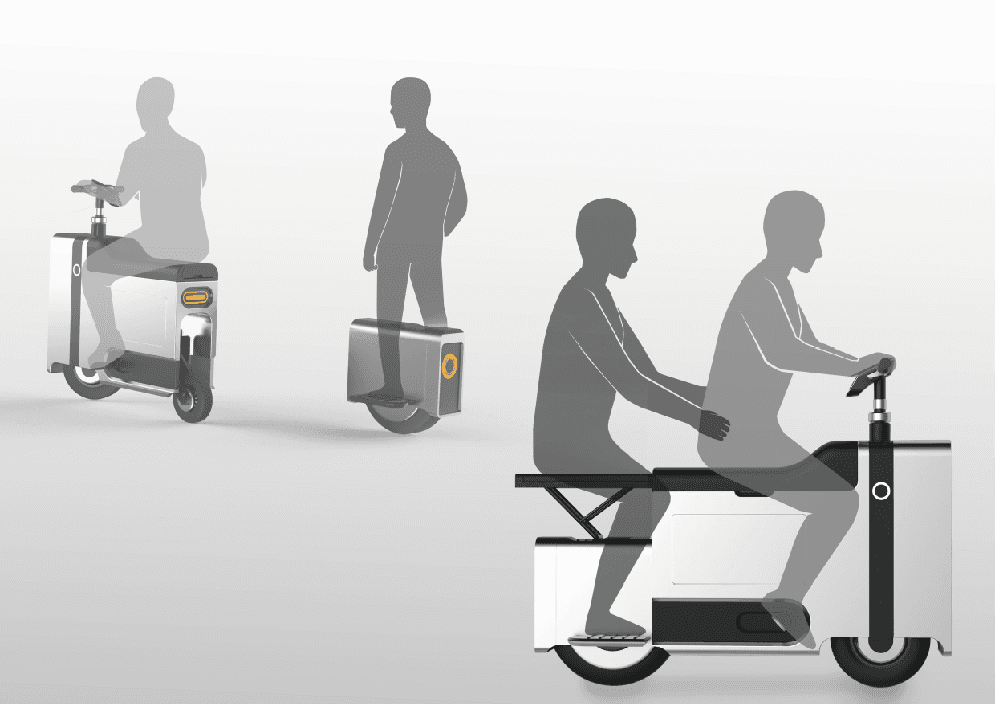
The core of this design is its 'detachable structure,' allowing users to utilize it in two distinct modes according to their needs. The Main Body and Sub Body can be separated for use as independent single-person mobility devices (a scooter and a segway, respectively) or used in their combined form.
Based on this flexible structure, LINKS aims to solve two primary problems in the existing shared mobility market:
-Enhanced Safety: It prevents dangerous tandem riding (two people on one scooter), thereby reducing the incidence of accidents caused by carelessness.
-New Shared Experience: It expands the mobility experience, which was previously limited to solo riders, and proposes a new mobility culture where friends, couples, and families can travel 'together' safely and enjoyably.
LINKS is a 2-in-1 shared mobility solution that combines an electric scooter (Main Body) and a one-wheel segway (Sub Body).
The core of this design is its 'detachable structure,' allowing users to utilize it in two distinct modes according to their needs. The Main Body and Sub Body can be separated for use as independent single-person mobility devices (a scooter and a segway, respectively) or used in their combined form.
Based on this flexible structure, LINKS aims to solve two primary problems in the existing shared mobility market:
-Enhanced Safety: It prevents dangerous tandem riding (two people on one scooter), thereby reducing the incidence of accidents caused by carelessness.
-New Shared Experience: It expands the mobility experience, which was previously limited to solo riders, and proposes a new mobility culture where friends, couples, and families can travel 'together' safely and enjoyably.
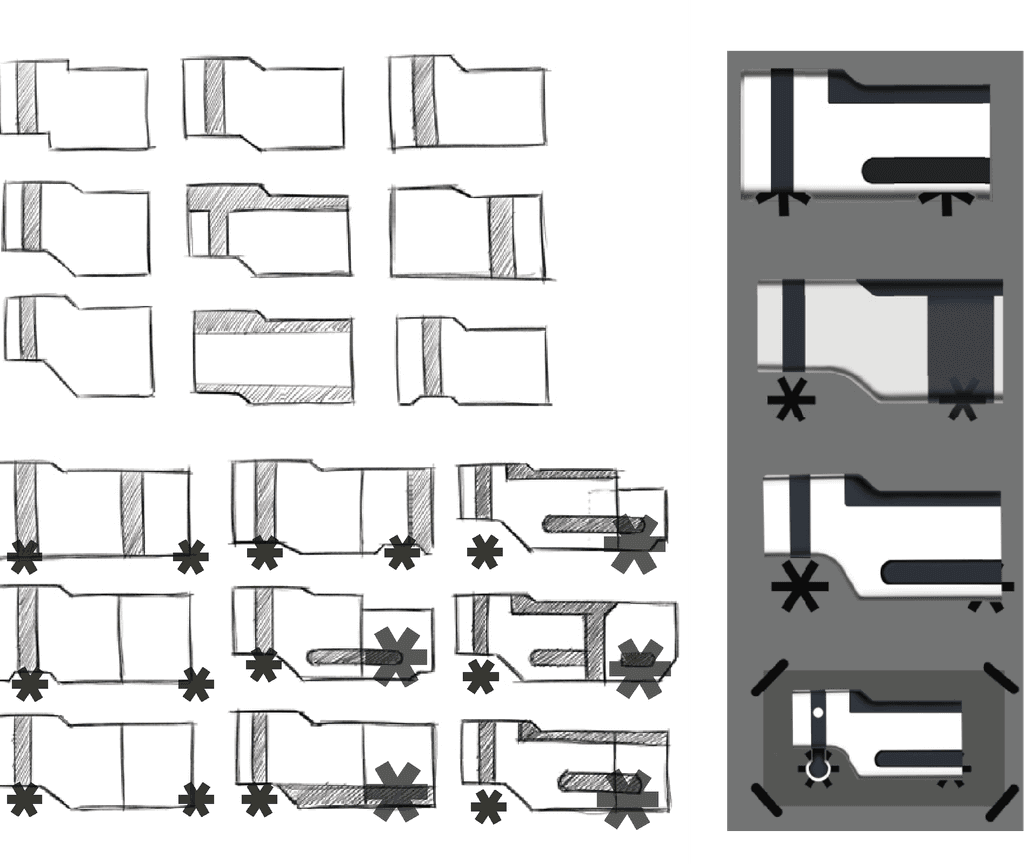
2D Sketching
2D Sketching


Rendering
Rendering
Detailed rendering showcases


Usage
Usage