Symbol Study
Symbol Study
Symbol Study
Scroll down to explore more.
Experimenting with symbol & Bauhaus
This research primarily aims to experimentally verify a Symbolic Metaphor Design approach based on the structural features and iconic works of the Bauhaus.
This methodology involves abstractly symbolizing (Abstract Symbolization) the inherent features of an individual Bauhaus attribute. The study seeks to reframe the Bauhaus's core philosophy with modern sensibility, ultimately blending visual clarity and deep symbolic meaning in the final design. This symbolic research explores the creation of new symbols by analyzing and applying features from the works of nine inspiring Bauhaus designers, beginning with the heart motif. This project will continue to grow as my ongoing Bauhaus research develops.
This research primarily aims to experimentally verify a Symbolic Metaphor Design approach based on the structural features and iconic works of the Bauhaus.
This methodology involves abstractly symbolizing (Abstract Symbolization) the inherent features of an individual Bauhaus attribute. The study seeks to reframe the Bauhaus's core philosophy with modern sensibility, ultimately blending visual clarity and deep symbolic meaning in the final design. This symbolic research explores the creation of new symbols by analyzing and applying features from the works of nine inspiring Bauhaus designers, beginning with the heart motif. This project will continue to grow as my ongoing Bauhaus research develops.
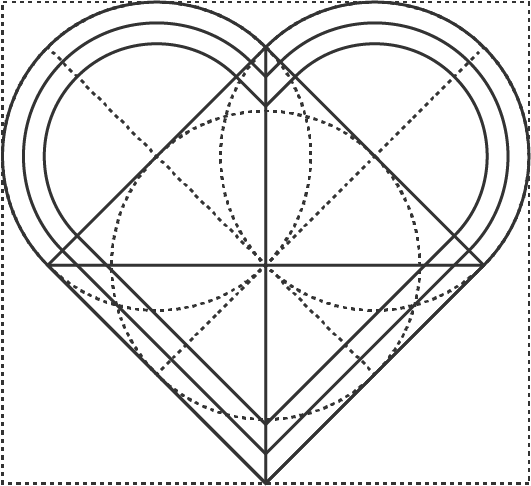
Fundamental grid structure
of the measurement
Fundamental grid structure
of the measurement
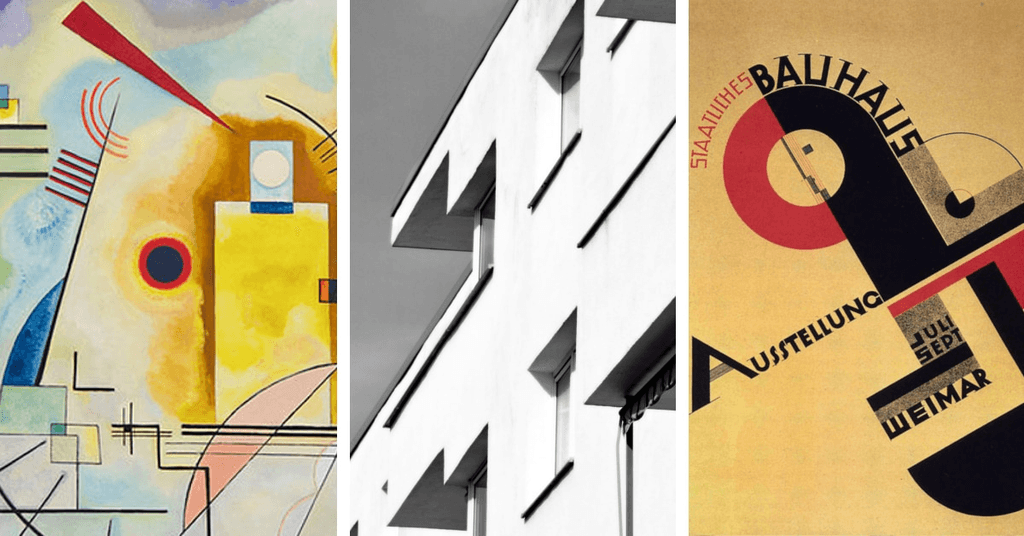

Walter Gropius
As the founder and first director of the Bauhaus, he led the development of modernist architecture, focusing on merging art and technology. His notable work, the Bauhaus Dessau Building, exemplified the idea that 'form follows function' in architecture.
As the founder and first director of the Bauhaus, he led the development of modernist architecture, focusing on merging art and technology. His notable work, the Bauhaus Dessau Building, exemplified the idea that 'form follows function' in architecture.

Herbert Bayer
A Bauhaus leader and innovator in New Typography, he integrated functionalism into typography by removing ornamentation and creating an all-lowercase typeface called Universal Typeface, which transformed graphic design.
A Bauhaus leader and innovator in New Typography, he integrated functionalism into typography by removing ornamentation and creating an all-lowercase typeface called Universal Typeface, which transformed graphic design.

El Lissitzky
Although not a teacher at the Bauhaus, his role as a key figure in Russian Constructivism had a substantial impact on the school. He is also renowned for creating the distinctive abstract idea of 'Proun,' which bridged the gap between 2D and 3D.
Although not a teacher at the Bauhaus, his role as a key figure in Russian Constructivism had a substantial impact on the school. He is also renowned for creating the distinctive abstract idea of 'Proun,' which bridged the gap between 2D and 3D.

Josef Albers
A Bauhaus master involved in painting and stained glass, he focused heavily on teaching color theory. He is renowned for his work on "The Interaction of Color," which investigates how color perception changes based on surrounding colors.
A Bauhaus master involved in painting and stained glass, he focused heavily on teaching color theory. He is renowned for his work on "The Interaction of Color," which investigates how color perception changes based on surrounding colors.
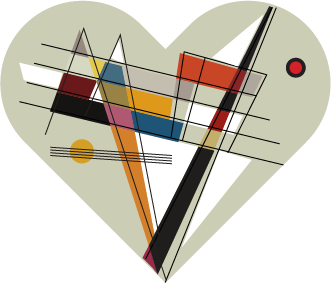
Wassily kandinsky
A Russian painter and art theorist, he was a pioneer in abstract art who thought that color and line should express spiritual emotion through 'inner necessity,' leading to a rhythmically abstract world.
A Russian painter and art theorist, he was a pioneer in abstract art who thought that color and line should express spiritual emotion through 'inner necessity,' leading to a rhythmically abstract world.

Paul Klee
A painter, photographer, and designer, he is famous for his exploration of "light and movement," incorporating the idea that art should be a constantly changing experience in time and space, rather than a static object.
A painter, photographer, and designer, he is famous for his exploration of "light and movement," incorporating the idea that art should be a constantly changing experience in time and space, rather than a static object.
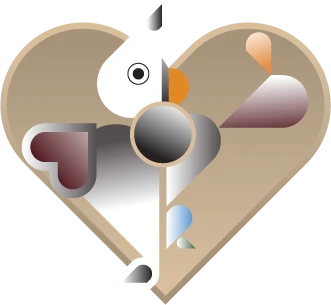
Oskar Schlemmer
A painter, sculptor, and choreographer who led the Bauhaus's stage workshop, he explored the relationship between the human form, movement, and space, simplifying the human body geometrically and treating it as a "moving sculpture" on stage.
A painter, sculptor, and choreographer who led the Bauhaus's stage workshop, he explored the relationship between the human form, movement, and space, simplifying the human body geometrically and treating it as a "moving sculpture" on stage.

lilly reich
During the Bauhaus's final phase, she played a key role alongside Mies van der Rohe, presenting furniture and exhibition designs that highlighted simplicity, functionality, and industrial materials like steel tubing.
During the Bauhaus's final phase, she played a key role alongside Mies van der Rohe, presenting furniture and exhibition designs that highlighted simplicity, functionality, and industrial materials like steel tubing.

László Moholy‑Nagy
He taught at the Bauhaus alongside Kandinsky, emphasizing the connection between form, color, and nature in his work. His artistic approach was experimental and expressive, conveying human emotion and spirit beyond simple geometric forms.
He taught at the Bauhaus alongside Kandinsky, emphasizing the connection between form, color, and nature in his work. His artistic approach was experimental and expressive, conveying human emotion and spirit beyond simple geometric forms.